Last Updated on January 26, 2026 by Writer
February fishing on Anna Maria Island is late winter fishing at its most predictable. The water is often clear, the crowds are lighter, and the fish settle into patterns that repeat day after day: warmest water bites best, moving tides position fish, and structure holds dinner. If you like a technical inshore game with reliable action and a real shot at quality fish, February is one of the best months to be here.
If you like planning around what’s happening right now, start with our latest Anna Maria Island fishing reports. If you want a month-specific overview first, this guide on February fishing charters in AMI is a quick read that pairs well with the patterns below. For the broader seasonal context, you can also check out winter fishing on Anna Maria Island and the winter inshore fishing guide for AMI.
What February Fishing in Anna Maria Island Really Looks Like
February on AMI is all about timing. Cold fronts roll through, the wind shifts, water levels change, and fish adjust quickly. The good news is they don’t vanish, they just slide to the most comfortable water available. That might be deeper channels, darker bottom that holds heat, protected bays, or structure that concentrates food.
On many February trips, the best bite is not at first light. Early mornings can be chilly and slow after a front. Once the sun has been up for a few hours, water temperatures rise just enough to trigger feeding, especially on grass flats near deeper water and along mangrove edges with dark bottom. That mid-morning to late afternoon window is where February often shines.
Weather, Wind, and Water Clarity
February weather on Florida’s Gulf Coast can change fast. One day can feel like spring, the next can feel like winter again. Wind matters as much as temperature because wind affects water clarity and your ability to fish effectively. When it’s calm, you can work shallow grass and sight-friendly shorelines. When it’s windy, you lean into protected water, deeper edges, and structure that allows you to present baits cleanly.
Clarity is usually a February advantage around Anna Maria Island, especially compared to summer months. Clear water makes fish easier to locate, but it can also make them a little more cautious. That’s why slower presentations and lighter leaders can be a difference maker, especially for trout and snook.
What’s Biting in February Around AMI
February is prime time for a true inshore mix. Redfish, seatrout, snook, sheepshead, black drum, and flounder are all realistic targets, with Spanish mackerel and nearshore reef fish showing up when conditions allow. The most productive days usually come from building a flexible plan that matches the wind and tide instead of forcing one spot all trip.
| Target species | Where to focus in February | Best bite windows | High-percentage baits and approaches |
|---|---|---|---|
| Redfish | mangrove edges, oyster bars, potholes near grass flats, backcountry lanes | late morning through afternoon, especially on warming trends | live shrimp, cut bait, soft plastics worked slow, gold spoons over shallow edges |
| Spotted seatrout | grass flats with deeper potholes, channel edges, protected bays | moving water and stable conditions after fronts pass | live shrimp, soft plastics on light jigheads, slow twitch baits with longer pauses |
| Snook | deeper mangrove lines, docks, passes, and warmer pockets with bait | afternoons, calm days, and warm spells between fronts | live shrimp, small paddletails, patient presentations near structure and edges |
| Sheepshead | bridges, pilings, docks, rock edges, and nearshore structure | strongest around tide movement near structure | shrimp pieces or small jigs tipped with shrimp, kept tight to the structure |
| Black drum | deeper holes, channel bends, soft bottom depressions near oyster and grass | sunny afternoons and warming shallows | shrimp on bottom, slow drifts along edges, careful presentations to visible fish |
| Flounder | sandy edges, drop-offs, and areas where current funnels bait | moving water, especially around passes and deeper cuts | jigs and soft plastics worked near bottom, slow hops and pauses |
If you want to go deeper on specific species, the site has dedicated reads for both snook fishing off Anna Maria Island and Anna Maria Island redfish fishing.
Redfish in February

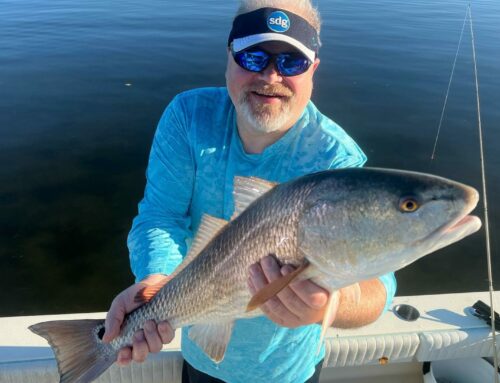
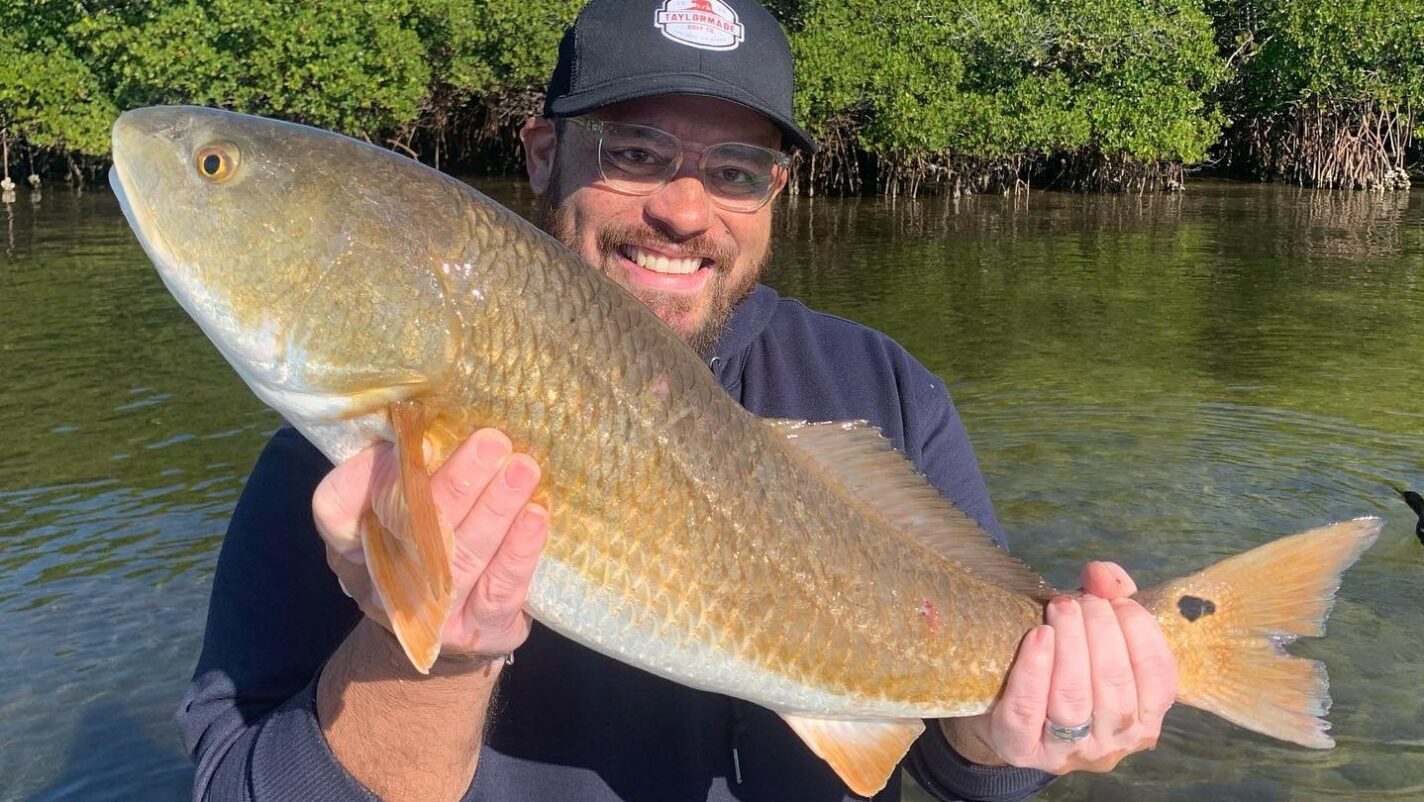
Redfish are one of the most dependable February targets around AMI because they handle winter conditions well and they love shallow feeding zones once the sun has had time to warm the water. Focus on areas that do two things: hold heat and hold food. Dark bottom warms faster than bright sand. Oyster edges hold crabs and shrimp. Grass flats with potholes give redfish a comfort lane to slide in and out of shallow water.
If you’re exploring the local waters on the backcountry side, it helps to understand how the system lays out. The overview of Anna Maria Island fishing explains how AMI gives you fast access to flats, backcountry, and Gulf water without long rides.
Trout in February

February trout are usually not hard to find, but they can be picky about speed and depth. When water temps dip, trout prefer stable zones: deeper potholes on grass flats, channel edges, and areas where bait gets pinned. A lot of anglers fish too fast in winter. In February, longer pauses and slower retrieves consistently outproduce “burning” baits across the flat.
If you’re fishing Anna Maria Sound and Palma Sola Bay regularly, this breakdown of what fish are biting in Anna Maria Sound and Palma Sola Bay is a helpful reference for matching species to habitat, especially for trout and redfish.
Snook in February

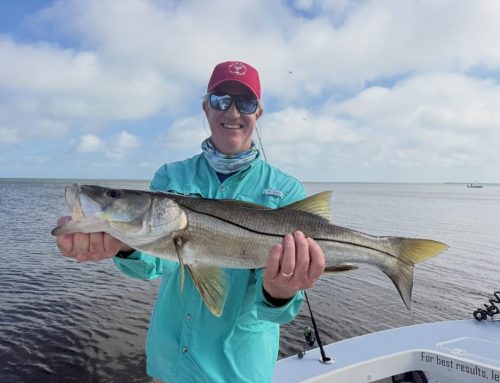
Snook are absolutely catchable in February around AMI, but they are not always in a “run it fast and crush it” mood. In winter, snook prioritize comfort. Think deeper mangrove shorelines, residential canals and docks, protected edges, and passes where bait moves. When you do get a warm spell between fronts, snook often become noticeably more active, especially in the afternoons.
Because snook regulations can change seasonally, always confirm current rules before harvesting. Many February snook are best treated as a careful catch-and-release target: quick photos, minimal handling, and clean releases.
Sheepshead
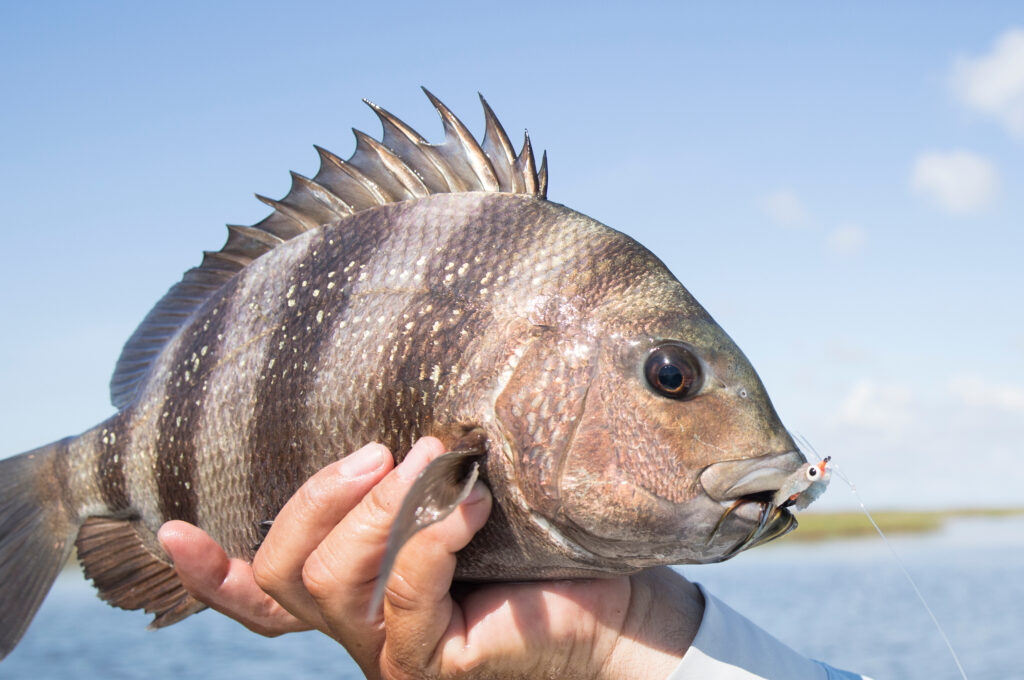
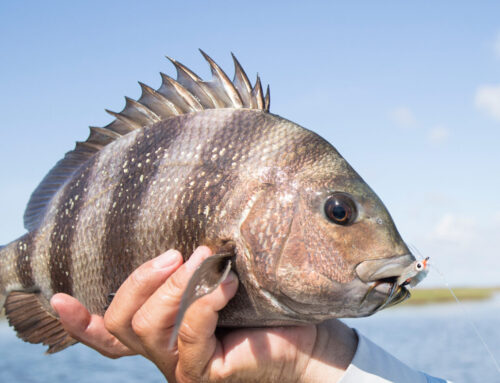
If February had an “MVP” fish for easy consistency around bridges and pilings, it’s sheepshead. They stack on barnacle-covered structure and feed with a bite that can be subtle until you learn the feel. The key is keeping your bait close to the structure without snagging constantly, and staying focused enough to detect that quick tap before the fish steals your bait.
If you want a full read on how this bite sets up locally, see winter sheepshead fishing off Anna Maria Island. If you want a bigger picture of tactics, different ways to fish inshore at Anna Maria Island does a great job explaining when to drift, jig, and adjust with tide and temperature.
Where to Fish in February Around Anna Maria Island
February is a month where “where to fish” is often decided by wind direction and water clarity. The good news is AMI has a lot of protected water options close by. Flats, bays, passes, and backcountry stretches can all be productive, and you can often stay comfortable even when the Gulf is not cooperating.
For grass flats, mangrove edges, and a true winter inshore feel, Palma Sola Bay is a classic February zone. This guide to fishing Palma Sola Bay explains why it’s productive and how different depths and tide stages change the bite. For more general flats and shallow-water opportunities right off the island, fishing the flats off AMI is a helpful orientation piece.
If you’re visiting and want to keep logistics simple, you can also look over our charter pickup locations so you know where trips typically meet depending on time of year and your planned fishing area.
A Simple February Game Plan
- Time your best effort for late morning and afternoon. Let the sun warm the water before you expect peak feeding.
- Fish moving water. Tides position fish along edges, passes, and structure, making them easier to target.
- Use wind to pick your water. Protected shorelines and bays usually mean better visibility and better presentations.
- Slow down your lure cadence. Winter fish still eat artificials, but they rarely want a fast retrieve all day.
- Pivot when needed. If the flats are quiet, slide to structure for sheepshead or work deeper edges for drum and flounder.
What to Bring for a February Charter
February can feel chilly on the ride out, then turn comfortable once the sun is up. Dress in layers and plan for wind. Polarized sunglasses are a big deal this time of year because clearer water makes it easier to see grass edges, potholes, and fish movement.
- light layers plus a windproof outer layer for the morning run
- closed-toe shoes with grip that can get wet
- polarized sunglasses and a hat
- sunscreen and lip balm, even in winter
- snacks and drinks for the crew
- any motion-sickness prevention you trust if you’re unsure
If you want to avoid overpacking, the fishing charter FAQ covers the most common prep questions, including licensing and trip basics. It also helps to skim what not to bring on your charter so you don’t show up with bulky items that just get in the way on a fishing boat.
Book a February Fishing Trip on Anna Maria Island
February is a fantastic month to fish with a guide because small decisions matter more than brute force. Picking the right shoreline for the wind, timing the tide window, and knowing where fish slide after a front is how you turn a decent day into a great one.
To learn more about trip style and what you can realistically target, start with our Anna Maria Island inshore fishing charters page. If you’re bringing kids or first-timers, the family fishing charters option is built for a fun, comfortable day with plenty of hands-on help. When you’re ready to lock in a date, you can book your charter online or reach out through the contact page and we’ll help match the trip plan to the best February conditions.