Last Updated on February 23, 2026 by Writer
March fishing on Anna Maria Island is the shift from “winter patterns” to “spring momentum.” Water temperatures start trending up, bait becomes more noticeable, and fish that were holding deeper and tighter in February begin spreading onto flats, edges, and shoreline lanes more consistently. The result is a month that can fish two different ways depending on the week: early March still rewards a winter-style approach, while late March starts looking and feeling like spring.
To see what’s happening right now before you pick dates, start with our latest Anna Maria Island fishing reports. If you’re connecting the dots from the previous month, this also pairs well with February fishing charters in AMI, since March often begins with similar fish locations and then ramps up as the month progresses.
What Changes in March Around AMI
March is a transition month, and the biggest change is consistency. You still get occasional fronts, wind shifts, and temperature dips, but the warming trend between fronts gets longer. That longer stretch of stable weather is when inshore fishing improves quickly. Fish feed longer during the day, move shallower more often, and become more willing to chase a bait or lure.
In practical terms, March is when you can plan more confidently around flats and shoreline bites. It is also a great time to mix in structure fishing, especially early in the month when sheepshead remain a strong option around docks, pilings, and rock.
What’s Biting in Anna Maria Island in March
| Species | Where to focus in March | Best baits and presentations | Early March vs late March |
|---|---|---|---|
| Redfish | mangrove edges, oyster bars, potholes near grass flats, shallow shorelines near depth | live shrimp, cut bait, soft plastics worked slow, spoons when fish are shallow | Early: tighter to edges and deeper lanes. Late: more consistent flat activity and more aggressive feeding. |
| Spotted seatrout | grass flats, sand potholes, troughs, and edges near deeper water | live shrimp, jigs and paddletails, twitch baits with pauses | Early: slower cadence in deeper comfort zones. Late: more trout sliding onto grass flats and feeding longer. |
| Snook | docks, canals, protected mangrove shorelines, passes on warmer spells | live shrimp, small baitfish, paddletails, precise casts near cover | Early: warm pockets and patience. Late: noticeably more active, especially afternoons and around moving water. |
| Sheepshead | bridges, pilings, seawalls, rock, and structure zones with barnacles | shrimp pieces kept tight to structure, controlled bottom rigs | Early: often excellent. Late: still catchable, but usually less “main event” as spring flats bites improve. |
| Black drum | deeper holes, channel edges, structure water, and soft-bottom depressions | shrimp on bottom, slow and patient presentations | Steady all month, with a bump on sunny warming afternoons. |
| Flounder | sandy drop-offs, ambush edges, and current funnels | jigs worked near bottom with slow hops and pauses | More of a “keep an eye out” bonus bite, especially around moving water. |
| Spanish mackerel | passes, nearshore edges, and areas with bait movement | small shiny lures, jigs, and fast presentations when they are chopping bait | Usually improves as March progresses and water warms. |
March Redfish
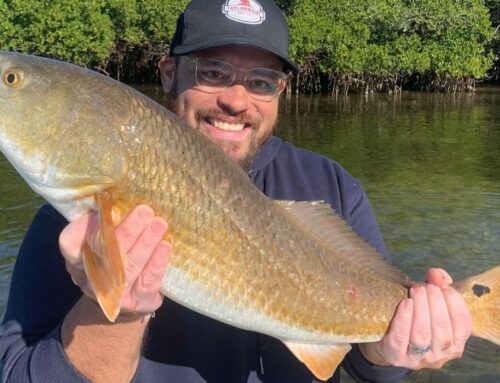
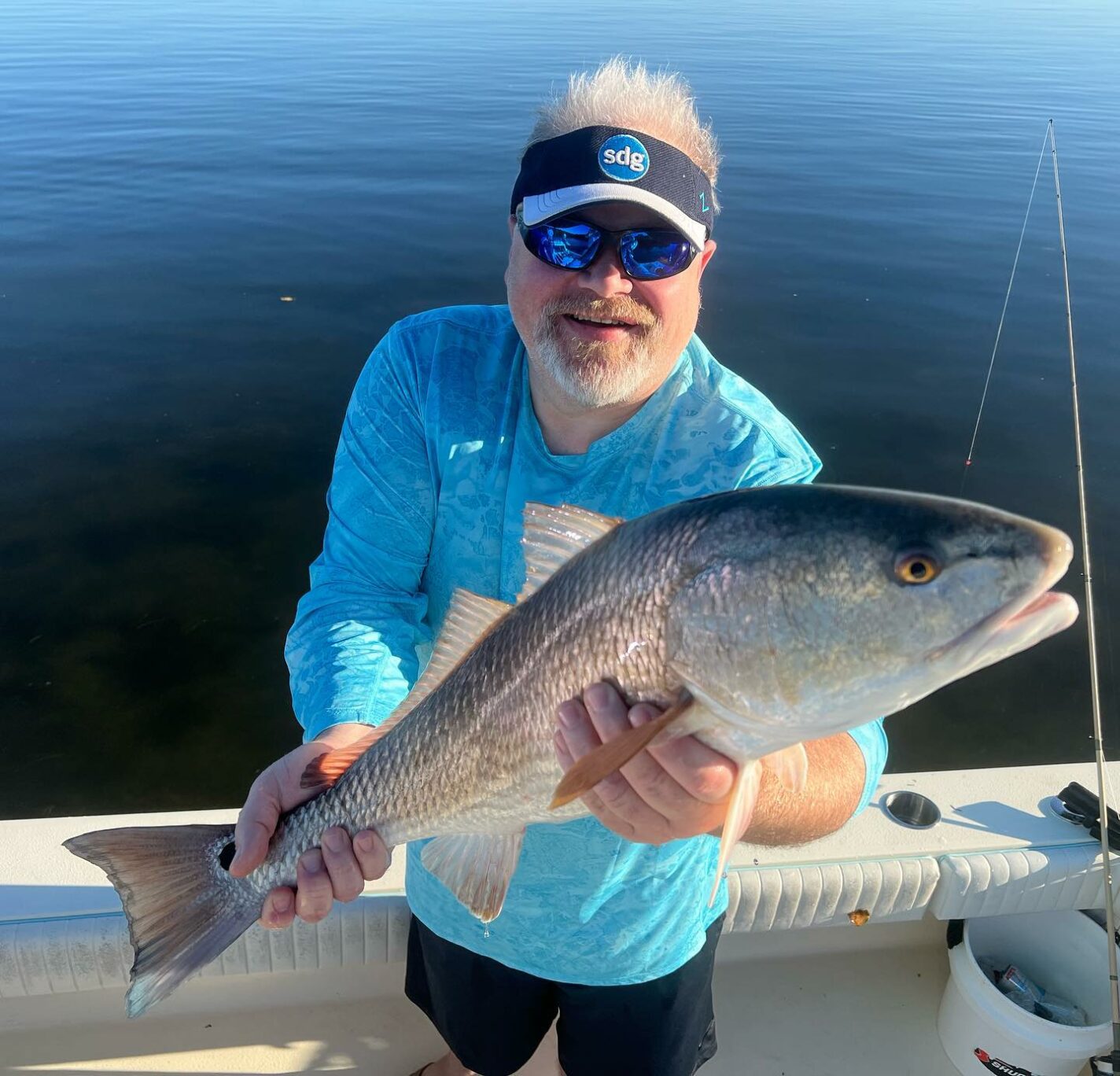
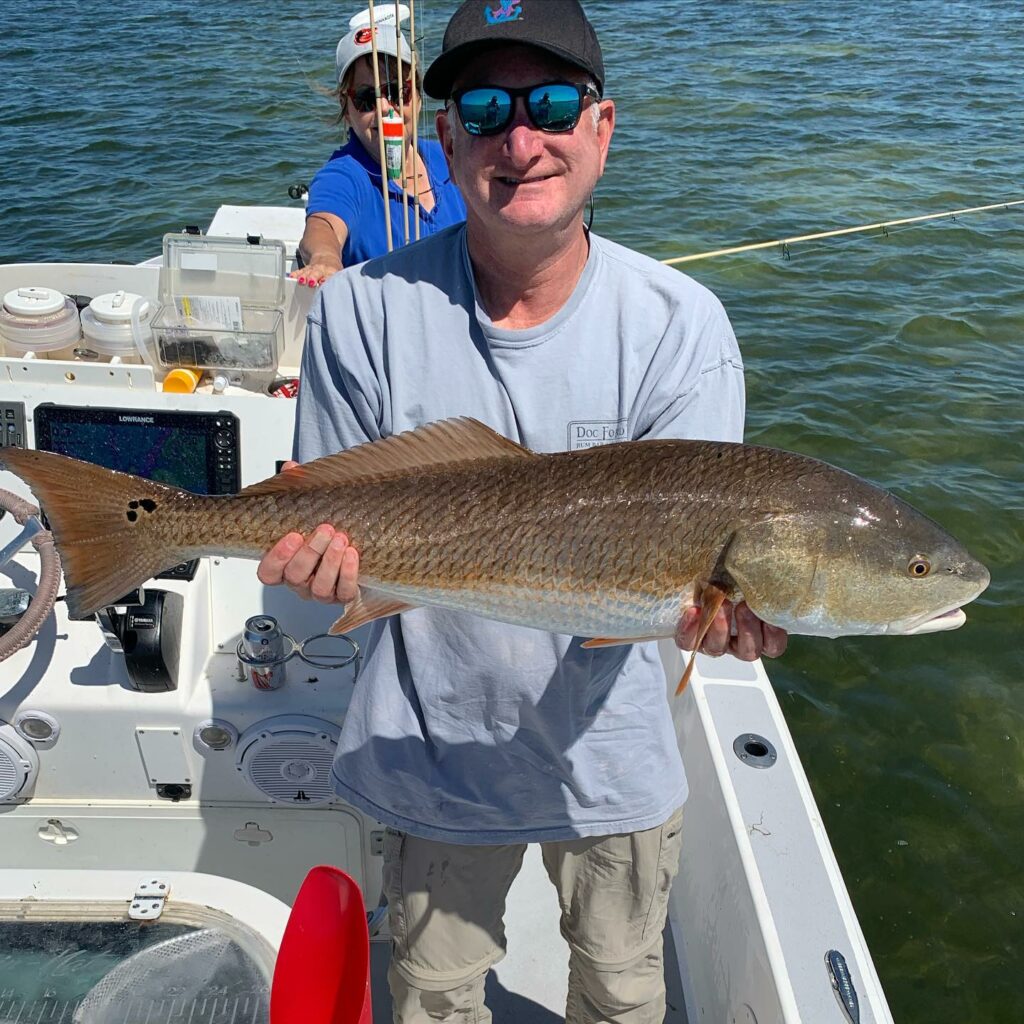
Redfish are a March staple around AMI because they feed well through the transition. Early March still looks like winter in spots: reds using edges, potholes, and shoreline lanes that offer quick access to depth. As the month moves on and water stabilizes, you’ll see more fish using the flats for longer windows, especially when tides are up enough to let them roam.
If redfish are your main goal, the full breakdown in Anna Maria Island redfish fishing goes deeper on locations and tactics. For a flats-first approach that fits March well, fishing the flats off AMI helps you visualize where fish travel and how grass, sand, and depth changes influence where reds feed.

March Trout
March trout fishing is often a “two-speed” deal. Early in the month, trout still hold in deeper potholes and troughs, especially after cooler nights. As the month warms, trout spread out across grass flats and become more willing to chase. This is where lure cadence matters. A slower retrieve and longer pauses produce more bites in cooler stretches, while late March usually lets you speed up a bit as fish get more active.
For a reliable habitat overview in the core inshore zones, read what fish are biting in Anna Maria Sound and Palma Sola Bay. If you’re specifically fishing those grass systems, fishing Palma Sola Bay is a great reference for how potholes, edges, and tides set up the bite.
March Snook
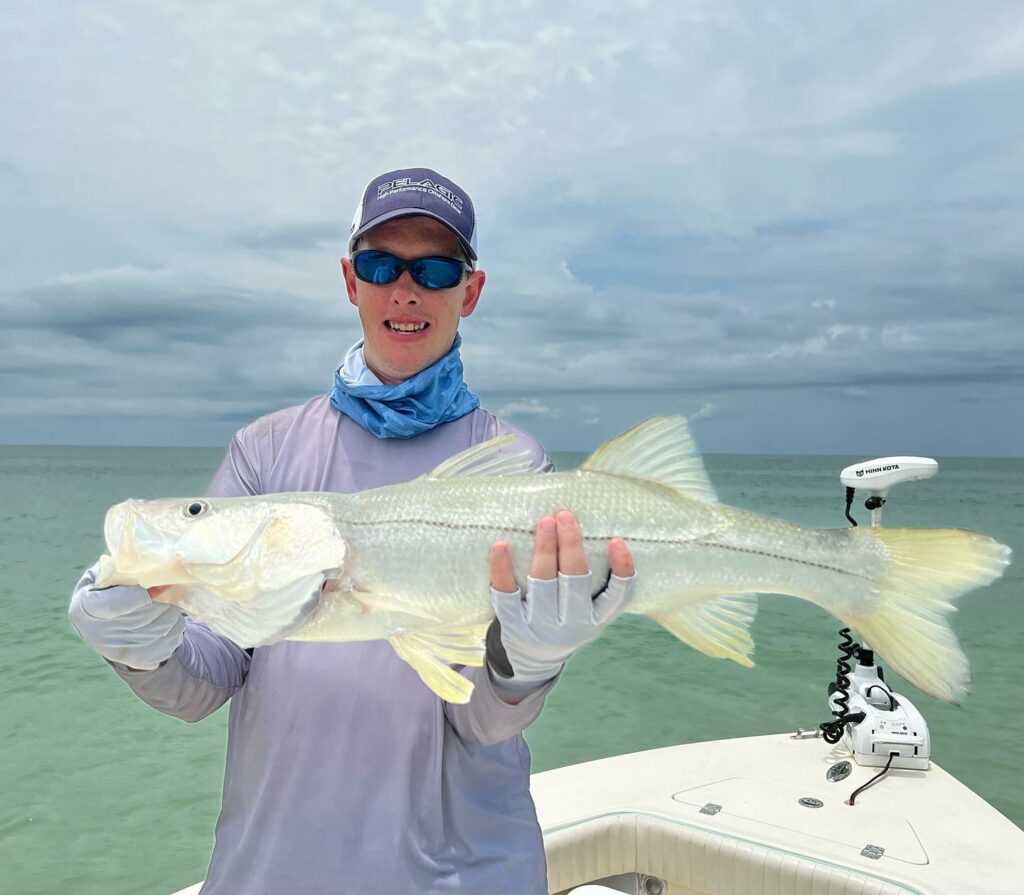
Snook in March are one of the best signs that spring is arriving. Early March snook are still about warm pockets and stable water, especially if you get a cool stretch. But when the sun is consistent and the afternoons warm, snook behavior changes. You’ll often see more movement along mangrove edges, around docks, and closer to passes as bait becomes more present.
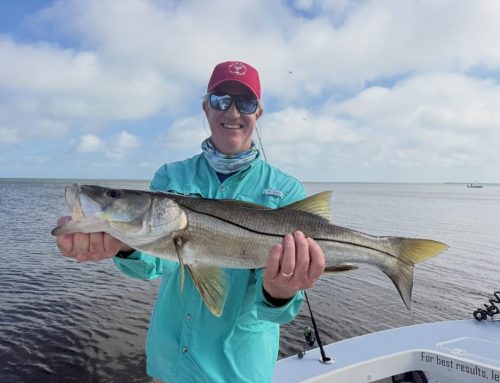
If snook are high on your wish list, the species guide on snook fishing off Anna Maria Island is the best “where and why” read to pair with a March trip plan.
Sheepshead and Drum
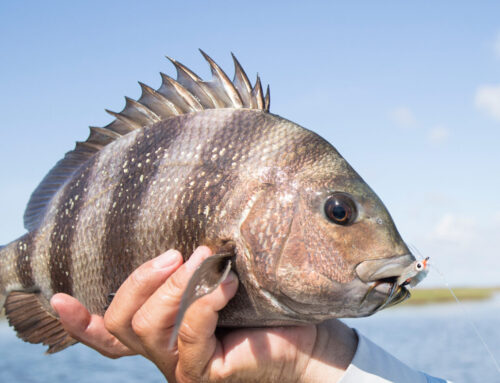
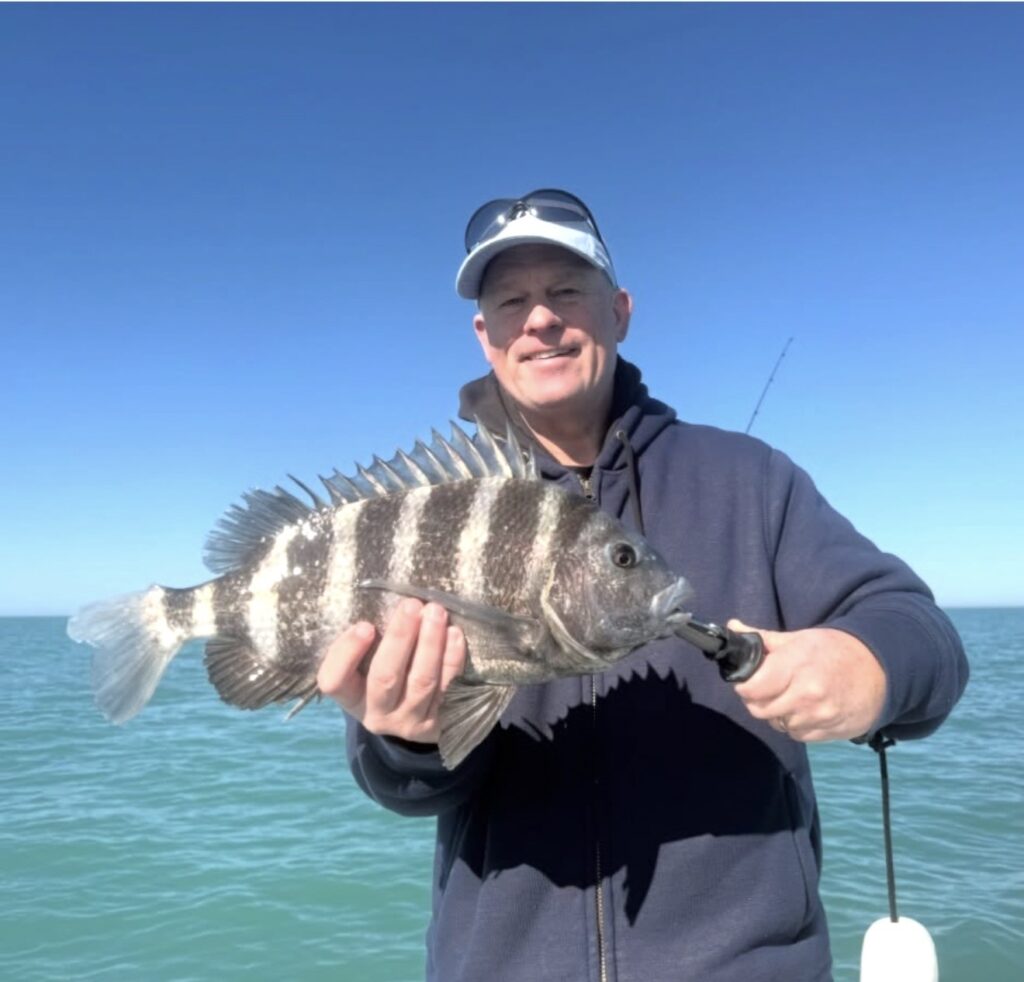
Sheepshead are still a strong play in early March, especially on windy days when open flats are uncomfortable or visibility drops. They stay tight to barnacle-covered structure, so the best approach is precise bait placement and staying focused for subtle bites. Black drum often overlap in similar zones and give you that heavyweight winter tug even as spring starts warming the bay.
If you want to keep structure fishing in the rotation, winter sheepshead fishing off Anna Maria Island is still very relevant in early March. For a broader tactics overview that helps you pivot between drifts, edges, and structure, different ways to fish inshore at Anna Maria Island is a helpful guide to keep your day flexible.
Where to Fish in March Around Anna Maria Island
March is a month where wind direction and tide height often decide your best water. On calmer days, you can lean into grass flats and shorelines where fish slide up to feed. On windier days, protected areas of Anna Maria Sound and Palma Sola Bay can keep conditions comfortable while still producing redfish, trout, drum, and sheepshead.
If you’re visiting and want to keep logistics simple, take a look at our charter pickup locations so you know where trips typically meet depending on the plan and season. For a general orientation to the fishery around the island, Anna Maria Island fishing explains how AMI gives you fast access to flats, backwater, and pass systems without long rides.

A Simple March Game Plan That Works
- Fish afternoons when the week is cooler. Early March can still fish like winter, and the warmest part of the day often bites best.
- Use tides to pick your zones. Low water pushes fish toward edges and troughs. Higher water opens the flats and shorelines.
- Let wind choose your shoreline. Protected water usually means cleaner presentations, better visibility, and more bites.
- Start with confidence species. Reds and trout are reliable all month, with sheepshead and drum as a steady structure backup.
- Increase lure speed as March progresses. Longer pauses early, slightly more aggressive retrieves late month when fish feed longer.
- Watch for the spring bite building. More bait activity, more surface life, and more consistent shallow movement usually means the seasonal switch is turning on.
Book a March Fishing Charter on Anna Maria Island
March is one of the best months to fish with a guide because the fish are transitioning, and small decisions matter. Knowing when to fish flats versus edges, which shoreline is cleanest for the wind, and when to pivot from structure to grass can turn a good day into a great one.
To explore trip options, start with our Anna Maria Island inshore fishing charters. If you’re bringing kids or first-timers and want a relaxed, hands-on day, our family fishing charters are built for exactly that. When you’re ready to lock in a date, you can book your charter online or reach out through the contact page and we’ll match your trip plan to the best March conditions.
If you’re doing trip prep now, it also helps to skim the fishing charter FAQ and the quick guide on what not to bring on your charter so your boat day stays easy and clutter free.