Last Updated on September 25, 2026 by Writer
October fishing on Anna Maria Island brings redfish on the flats, snook along mangrove shorelines, spotted seatrout over grass beds, and Spanish mackerel chasing bait near the beaches and passes. As the water gradually cools, fall offers opportunities to combine shallow-water fishing with fast-moving action around bait schools.
Our Anna Maria Island inshore fishing charters give us room to work with those changing conditions. We can fish protected shorelines, grass flats, docks, and channels, choosing the day’s targets around the tide, weather, and experience level of the group.
The transition from September fishing around Anna Maria Island into October is gradual. Early October can still feel like summer, while later fronts may bring cooler mornings and different feeding patterns. The best approach is to follow what the water is doing rather than expect every October trip to fish the same way.
What Makes October Fishing Different?
During summer, beating the heat often drives the schedule. October gives us more options. Early starts remain useful during warm weather, but a moving afternoon tide or a warming period after a cool morning can become just as important.
Bait also becomes a major part of the fall picture. Schools of small baitfish attract predators along grass edges, through passes, and outside the beaches. Inshore, mullet activity, scattered shrimp, and bait moving around mangroves can help point us toward feeding fish.
At the same time, cold fronts can interrupt an otherwise productive pattern. A shoreline holding fish during a warm stretch may need a different approach after a temperature drop or wind shift. We stay flexible with locations, bait presentations, and the amount of open water included in the trip.
| Target | Where to Look | October Approach |
|---|---|---|
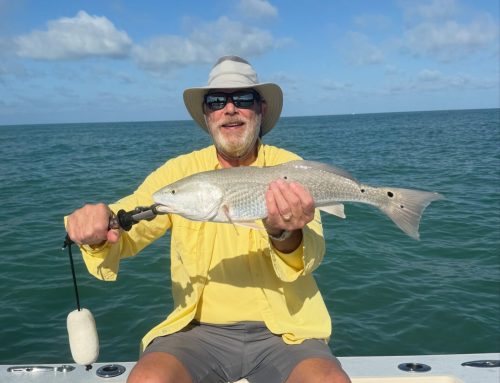
| Redfish | Mangrove edges, oyster bars, grass flats, and sandy potholes. | Follow changing water levels and approach shallow fish quietly. |
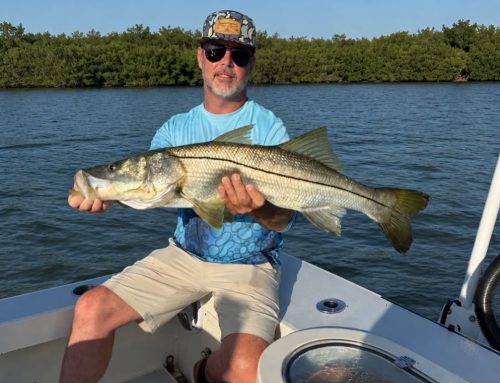
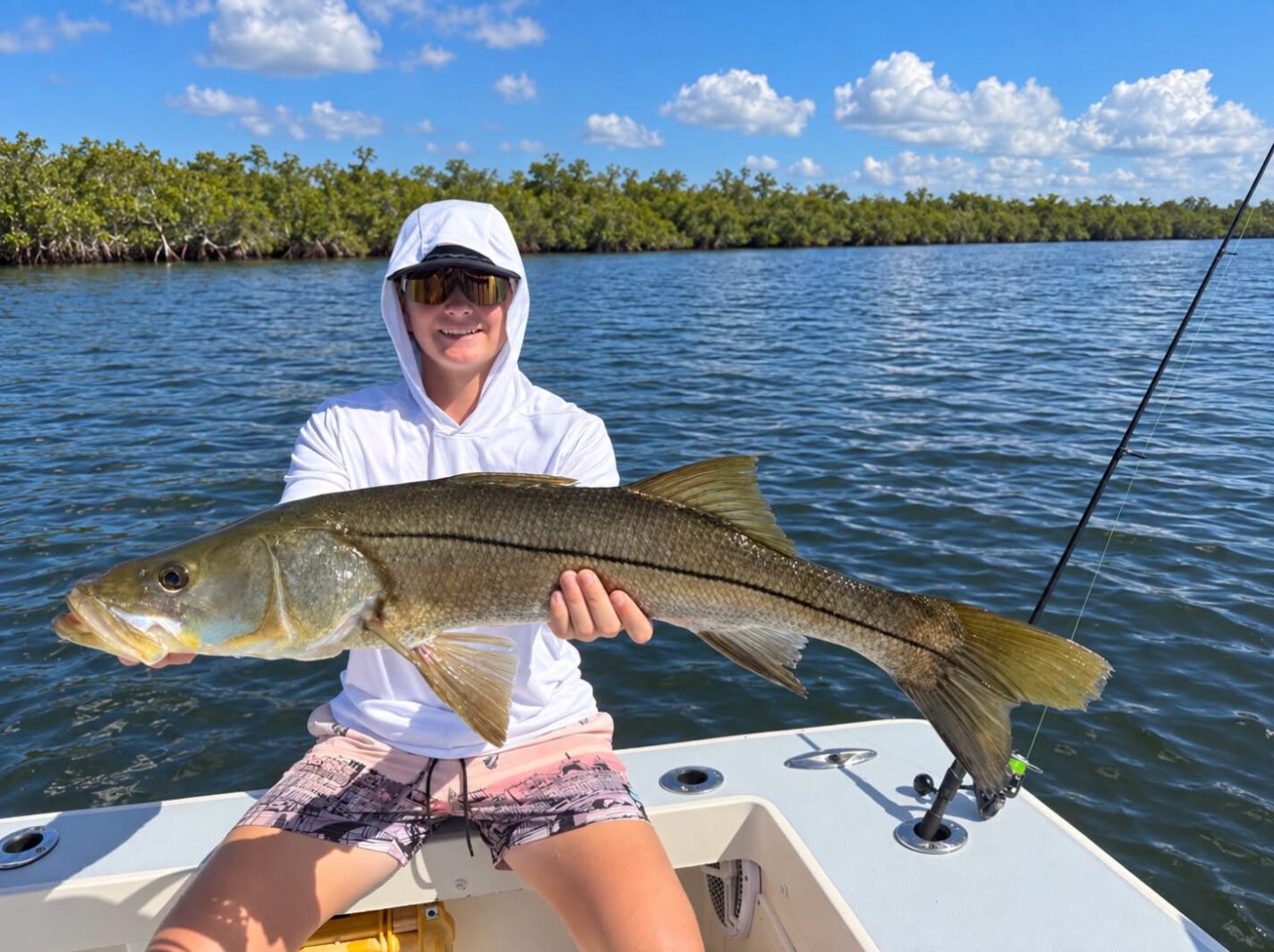
| Snook | Mangrove points, docks, bridges, creek mouths, and channel edges. | Present bait along structure and current seams as fish shift through their fall pattern. |
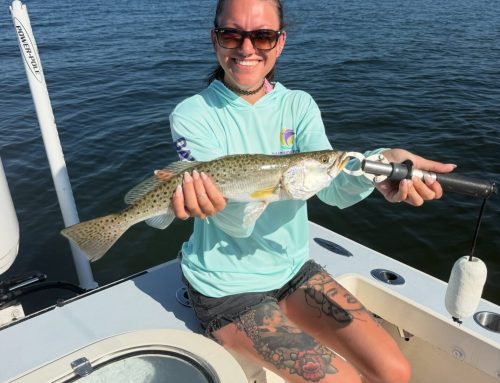
| Spotted seatrout | Grass beds, sand holes, and deeper edges near the flats. | Use controlled drifts to find productive sections of grass. |
| Spanish mackerel | Passes, Gulf beaches, and open water holding bait schools. | Watch for feeding birds and surface activity when conditions allow. |
| Mangrove snapper | Docks, bridges, mangrove roots, and rocky structure. | Keep small baits close to cover with enough weight to control the presentation. |
Redfish Are a Main October Target
Fall is an important season for redfish fishing around Anna Maria Island. Fish may gather along flats and bars, while others work mangrove shorelines, backwater edges, and creeks. Finding a large school is exciting, but smaller groups and individual fish can provide worthwhile opportunities without relying on one big concentration.
Water level helps determine where to start. Higher tides allow redfish to move closer to mangrove roots and shoreline cover. As water drops, sandy potholes, drains, and the outside edges of the flats become more important.
Live shrimp, pinfish, small baitfish, and cut bait can all be useful. For anglers who prefer artificials, weedless spoons and soft plastics allow us to cover shallow water while keeping the presentation near the bottom.
Quiet positioning matters. When fish are visible, we want to place a bait ahead of their path rather than land it directly on top of them. Giving the fish room to approach often produces a better opportunity than chasing them across the flat.
Snook Shift Toward Their Fall Holding Areas
October is a transition month for snook. Some fish may remain around passes and beach-adjacent water during warm periods, while others work farther into the bays along mangroves, docks, points, and channel edges.
Our approach to snook fishing off Anna Maria Island centers on structure, bait, and current. A mangrove point with moving water can offer a better opportunity than a long stretch of shoreline without bait. The same applies to docks and bridges: the productive spot is often the portion of the structure where food passes within easy reach.
Pilchards and pinfish are useful live-bait options, while paddletails, soft jerkbaits, and topwater plugs give artificial-lure anglers several ways to work the same areas. Low light can favor surface presentations, but the tide and the fish’s position matter throughout the day.
When a snook strikes close to cover, maintaining steady pressure helps keep it away from roots and pilings. We match the tackle to the structure rather than use the same setup everywhere.
Spotted Seatrout and Mixed Action on the Grass Flats
Spotted seatrout add another dependable target to the October plan. Grass beds broken by sandy holes and deeper edges provide places for trout to feed without needing to chase bait across an entire flat.
A live shrimp beneath a float is a straightforward option for newer anglers. Soft plastics and small jigs allow more experienced anglers to cover water and adjust the depth of the presentation. The important detail is keeping the bait where fish can find it without constantly dragging through the grass.
When fishing the flats around Anna Maria Island, we use controlled drifts to locate productive stretches. Once bites identify a promising area, we can reset and work it again rather than continue drifting away from the fish.
Ladyfish, jacks, and other species may join the action. For families and anglers who enjoy variety, those extra bites are part of what makes a fall flats trip appealing.
Spanish Mackerel Follow the Fall Bait
During calm stretches, October fishing off Bradenton Beach can include Spanish mackerel feeding near the beaches and passes. Diving birds, bait scattering across the surface, and quick flashes beneath the water are useful signs that predators are nearby.
Small spoons, jigs, and live bait can all work when mackerel are feeding. Matching the size of the baitfish often matters more than making the longest cast. We approach the outside of the activity and work toward the fish without running through the bait school.
King mackerel can also become part of the fall Gulf fishery, but they are a more condition-dependent possibility rather than the foundation of every October trip. Wind, sea state, and the location of bait determine whether fishing outside the island makes sense.
Mangrove Snapper Around Structure
Mangrove snapper provide another option around docks, bridges, mangrove roots, and rocky bottom. They are useful targets when a shoreline or open-flat bite slows and we want to concentrate on a smaller piece of fish-holding structure.
Small live baits and shrimp work well when presented close to cover. Too much weight can make the bait look unnatural, while too little may allow it to drift above or away from the fish. We adjust the rig to the current and depth.
Snapper bites can be quick, so keeping unnecessary slack out of the line helps. These fish also give anglers a chance to practice feeling a bite, controlling a hooked fish, and keeping it away from structure.
Choosing the Best Tide and Time of Day
There is no single departure time that is best for every October date. A warm, calm morning may favor an early start, while a cool morning followed by sunshine and a stronger afternoon tide may call for a different schedule.
Incoming water can open access to mangrove shorelines and shallow feeding areas. Outgoing water can concentrate bait around drains, points, and channel edges. Both can be productive when we match the location to the stage of the tide.
We also pay attention to how much water is actually on the flat. A familiar shoreline may not be worth fishing when the available depth, water clarity, or current is wrong. Moving to a nearby edge can be more productive than waiting for fish to return to an area they cannot comfortably use.
When choosing a date, let us know whether your priority is redfish and snook, mixed-species action, or a comfortable family outing. That helps us recommend a trip that suits both your group and the available fishing window.
How October Weather Affects the Plan
October generally moves away from the daily summer thunderstorm pattern, but it is not a guarantee of calm weather. The National Weather Service identifies early fall as a transition period influenced by both tropical systems and cold fronts in its overview of West Central Florida’s rainy season.
After a front, we may favor sheltered shorelines, deeper edges, or slower presentations. During settled weather, we can consider more exposed flats, passes, and beachside bait schools. Cooling water can create opportunities, but a sudden change can also make fish less willing to feed immediately.
Protected inshore water gives us options, not an exemption from unsafe conditions. The forecast, wind, and conditions on the water determine whether a trip can proceed and which areas are appropriate to fish.
October Fishing Regulations to Know
For October 2026 trips, two seasonal rules deserve particular attention: the local snook harvest season and the midmonth flounder closure.
Snook Harvest Is Open Under Current Local Rules
October falls within the open recreational snook harvest season in both the Tampa Bay and Sarasota Bay management regions. Current limits allow one snook per person per day measuring 28 to 33 inches total length. Fish outside that slot must be released, and all applicable licensing and harvest requirements still apply.
Because nearby waters fall into different management regions, review the current FWC snook regulations before planning a harvest-focused trip.
Flounder Harvest Closes October 15
Florida’s recreational flounder harvest closure runs from October 15 through November 30 in state and federal waters off Florida. That means a flounder caught during the second half of October must be released, even when it meets the minimum size requirement.
Before the closure, the current minimum size is 14 inches total length, with a daily limit of five per person. Check the current Florida flounder regulations before keeping any fish.
Other species have their own size limits, bag limits, and harvest requirements. Catching a fish does not automatically make it a keeper, and bringing home fish is never guaranteed.
Choosing an October Fishing Charter
An inshore trip is a strong fit for anglers who want to target redfish, snook, and trout while keeping other species in the mix. It also lets us work among several types of habitat instead of depending entirely on calm Gulf conditions.
Our family fishing charters are built around the people aboard. For children and first-time anglers, that may mean straightforward live-bait fishing and a focus on getting comfortable with the rods. Experienced anglers may prefer more casting or a greater emphasis on a particular species.
Tell us about your group before the trip. A family looking for an introduction to saltwater fishing and an experienced angler hoping to catch a first redfish may both enjoy October, but they do not necessarily need the same plan.
What to Bring on an October Charter
Dress for a cool boat ride and a potentially warm afternoon. A lightweight outer layer is useful in the morning, while sun protection remains important throughout the day.
- Clothing and sun protection: Bring a light jacket, comfortable fishing clothes, a hat, polarized sunglasses, and sunscreen.
- Drinks and snacks: Bring what your group will need. We have a cooler aboard, so leave large personal coolers behind.
- Boat-friendly footwear: Wear sandals or light-soled shoes that can get wet.
- Personal essentials: Bring necessary medication and protect your phone or camera from water.
We provide fishing-license coverage, conventional rods and reels, tackle, bait, and ice in the boat’s cooler. Cleaning and bagging are included for legally harvested fish. Our charter frequently asked questions cover additional preparation and pickup details.
October Fishing FAQs
Is October a good month to fish Anna Maria Island?
Yes. October offers a useful combination of inshore targets and fall bait activity. Redfish, snook, trout, snapper, and Spanish mackerel give us several options, although the best target varies with weather and water conditions.
Is morning always the best time to fish in October?
No. Morning can be excellent, especially during warmer stretches, but a moving tide later in the day may offer a better window. After cooler weather, allowing the water to warm can also be worth considering.
Is October a good month for a tarpon-focused trip?
October is outside the main spring and early-summer migratory tarpon season around Anna Maria Island. Occasional opportunities may occur, but redfish, snook, trout, and other fall targets usually make a more practical foundation for an October charter.
Can beginners enjoy fall fishing?
Yes. We welcome beginners and can adjust the tackle, instruction, and target species to the group. Live-bait fishing gives new anglers a manageable way to learn while still offering opportunities for a variety of fish.
Where do October trips depart from?
We choose pickup locations based on the season and where we expect to fish. Confirm the meeting location and departure time with us before your trip rather than assuming every charter leaves from the same ramp.
Book an October Fishing Trip With Captain Nate
October offers plenty of ways to enjoy the water around Anna Maria Island, Holmes Beach, and Bradenton Beach. Whether your priority is a redfish on the flats, a snook near the mangroves, or a family trip with a variety of catches, we will help match the outing to your goals and the conditions.
Browse our latest Anna Maria Island fishing reports for seasonal updates as your trip approaches.
Plan your October trip with us. Reserve your fishing charter online, call 941-932-5609, or contact Captain Nate to discuss your group, target species, and preferred dates.